The Sub-10-Hour Ironman: What It Actually Takes
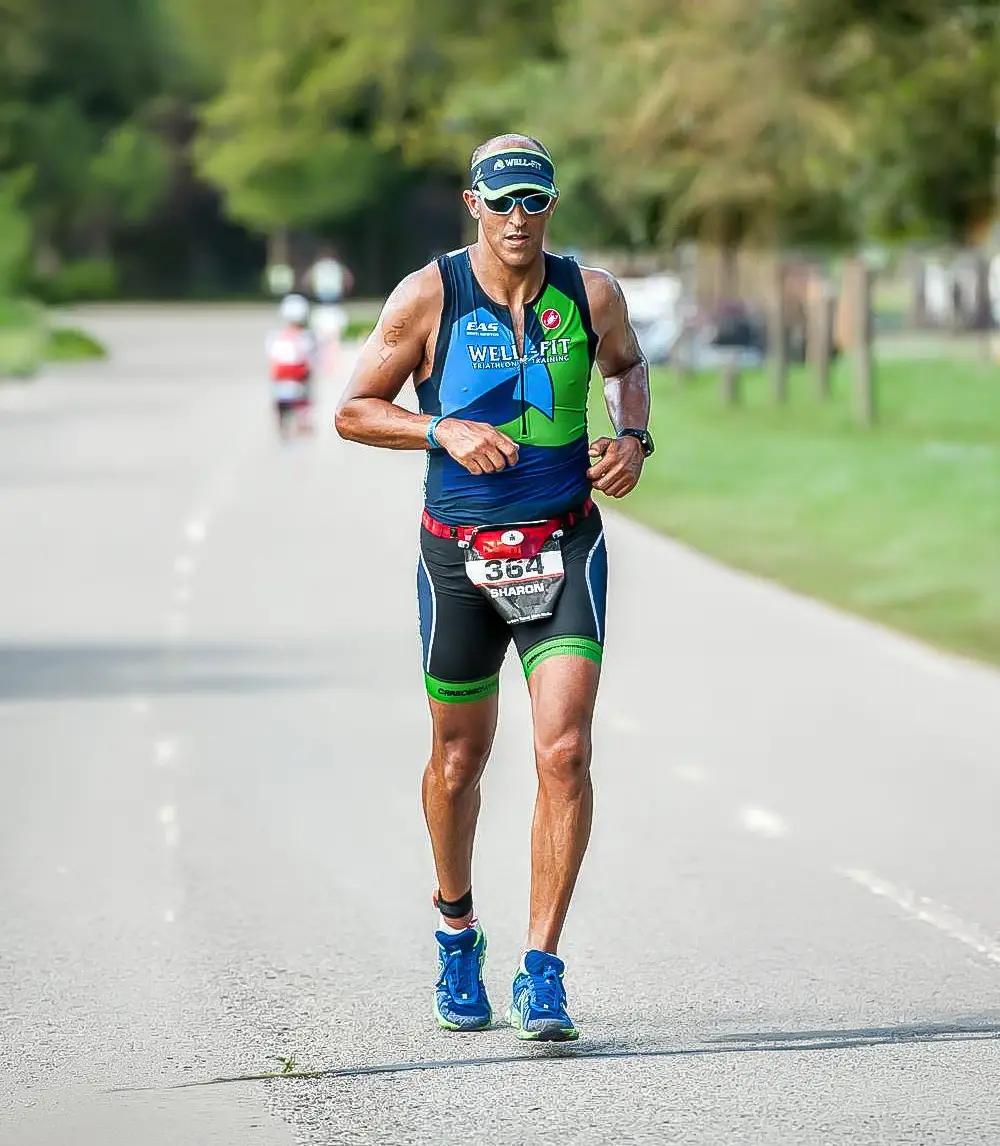
People talk about breaking 10 hours at the Ironman distance as if it were a number on a wish list. I think about it differently. I've raced this distance ten times. Three of those were Kona.
If you've got a demanding job and you're wondering whether sub-10 is realistic for someone with your schedule, it is, more often than you'd think. But you need to understand what that number means, and what it doesn't.
What a Sub-10-Hour Ironman Actually Means
The average finish time for a full Ironman across all age groups is between 12 hours 35 minutes and 12 hours 49 minutes. Men average closer to 12:38. Women closer to 13:35. Go sub-10, and you're two and a half to three hours ahead of that average — solidly in the front of the field, no matter your age group.
There's no single official chart of sub-10 Ironman splits, since every course is different. But a split structure that works on a fair course looks like this:
DISCIPLINE | TARGET SPLIT | % OF RACE | NOTES |
|---|---|---|---|
Swim | 1:00 – 1:10 | ~11% | Seed yourself well. Don't sprint the start. |
T1 | 4 – 6 min | — | Smooth, not rushed. |
Bike | 5:00 – 5:20 | ~52% | This is where sub-10 is won or lost. |
T2 | 3 – 5 min | — | Sit down. Change socks. |
Run | 3:30 – 3:50 | ~37% | Available only if you respected the bike. |
Total | Sub 9:55 target | Buffer ~5 min | Conditions vary |
None of those splits is impressive by itself. What's hard is holding all three of them, in order, on the same day.
How to Qualify for the Ironman World Championship
Sub-10 is fast. It doesn't, by itself, guarantee a slot. And if you're searching for a fixed list of Ironman World Championship qualifying times to benchmark against, the honest answer is that one doesn't really exist anymore; the qualifying system changed enough recently that the old answer here is wrong now.
Starting with the 2026 championship cycle, Ironman dropped the old system, in which every age group had a fixed number of slots based on how many people signed up. Now its performance based. The age-group winner gets an automatic slot, which rolls down to second and third if they pass on it. Everything left over comes from a performance pool; your finishing time is compared against a standard built for your specific age and gender, not a single flat number everyone is chasing. Ironman already revised this once, in late 2025, to fix a gender imbalance in how slots were landing, so check ironman.com before you build a whole season around a specific time.
A 9:45 in a stacked 35–39 men's field might get nothing. A 10:45 in a smaller, older age group might earn a slot.
I tell the athletes I coach to stop chasing "sub-10" like it's the bar and start asking what their time looks like compared with their own age group. That's the real target. Sub-10 is just a round number that sounds good at dinner.
How Many Hours Per Week Do You Need to Train for a Sub 10 Ironman?
More than a 70.3 buildup. Not as much as you'd think. Most people training at this level put in 12 to 16 hours a week at the peak over a 20- to 30-week build, and the ones who hit sub-10 usually aren't the ones training the most hours. They're the ones training the most specifically.
This is exactly where coaching earns its money for someone with a full calendar. You don't have unlimited hours to throw at the problem, so every hour must count. I've worked with athletes who'd already written off sub-10 because of their schedule, and almost every time, the problem wasn't their fitness ceiling. It was that their training had no focus.
A sharp 14-hour week beats a sloppy 18-hour week every time. That gap only gets bigger the busier you are.
Where the Day Actually Gets Decided
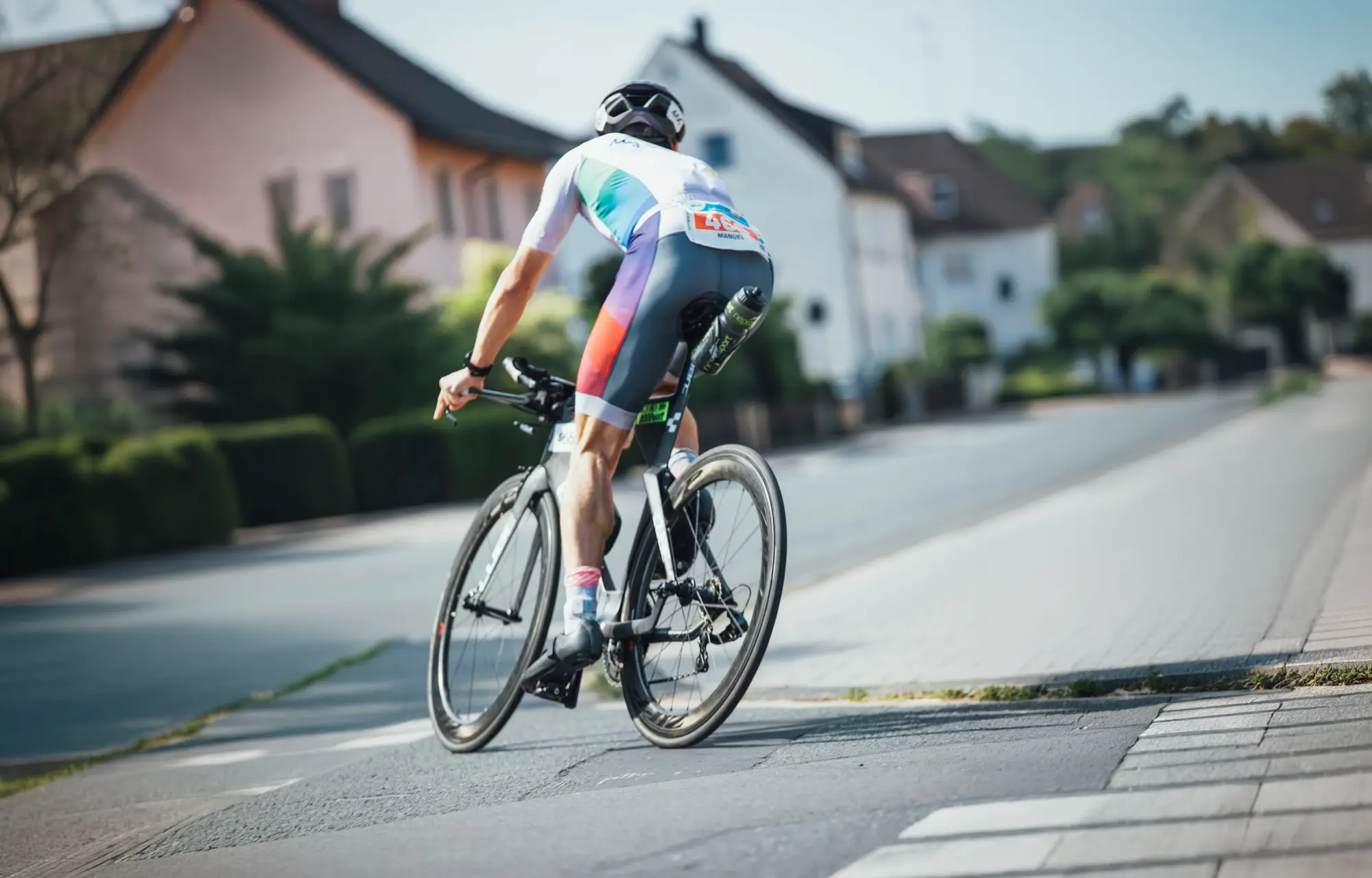
The bike. If I had to pick one thing, it's the bike. 112 miles is roughly half your day, and how you pace it decides almost everything that happens on the run. The athletes who go sub-10 usually aren't the strongest cyclists in the field. They're the most patient ones; riding a pace that feels conservative at mile 80, so they've still got a marathon left in their legs at mile 95.
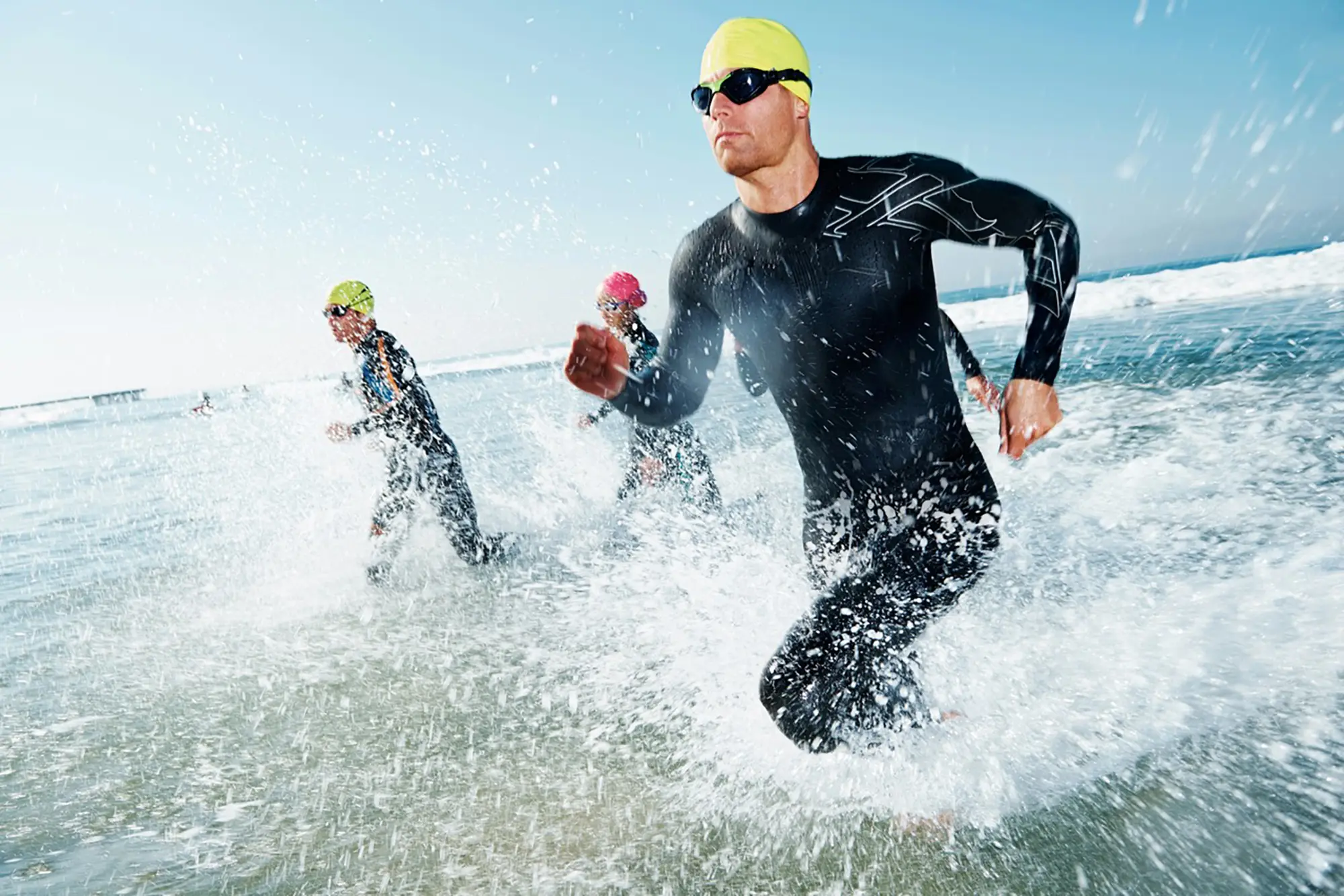
The swim barely moves the needle. Even a strong swimmer rarely buys back more than a couple of minutes against the field. The run is when the day seems decided, but the real decision happened on the bike three hours earlier.
Fast Ironman Courses: Picking the Right One for a Sub-10 Attempt
Course matters more here than at any other level. A few full-distance races are built for fast times specifically:
RACE | LOCATION | PROFILE | MONTH | SPEED RATING |
|---|---|---|---|---|
IM Hamburg | Germany | Flat 2-loop bike, flat 4-lap run | Jun | ★★★★★ |
IM Copenhagen | Denmark | Fast bike, point-to-point run | Aug | ★★★★★ |
IM California | Sacramento, USA | Flat bike, flat run. Fast debut | Oct | ★★★★☆ |
IM Texas | The Woodlands, USA | Flat bike. Rolling run — plan for it | May | ★★★★☆ |
IM Arizona | Tempe, USA | Flat & fast. Reliable conditions | Nov | ★★★★☆ |
None of that replaces the work. But on the right course, in fair conditions, a well-built plan has a real shot at sub-10 that it just doesn't have on a hilly, hot, or high-altitude race. If the time matters more to you than the location, pick accordingly.
Sharone Aharon is the founder of Well-Fit Triathlon Training.
USAT Elite Level III Certified Coach. ICF-certified executive coach. MS in Exercise Sciences, UIC. He has coached 617 athletes to the Ironman finish line — 46 to Kona, 27 to a USAT World Championship.
He has completed 10 Ironman-distance races himself, including 3 Kona World Championship starts, and most recently qualified for the 2025 Ironman 70.3 World Championship in Nice in his own 60–64 age group.